Documenting Hail Damage to Siding for Your Insurance Claim
Minnesota's August storm season brings heavy hail that can leave your home's siding looking like it's been through a war. The challenge? Most homeowners don't know what to document or how to photograph damage in a way that actually helps their insurance adjuster understand the scope of the problem. If you've had a recent hailstorm, the steps you take in the next few days can make the difference between a claim that gets approved and one that gets delayed or denied.
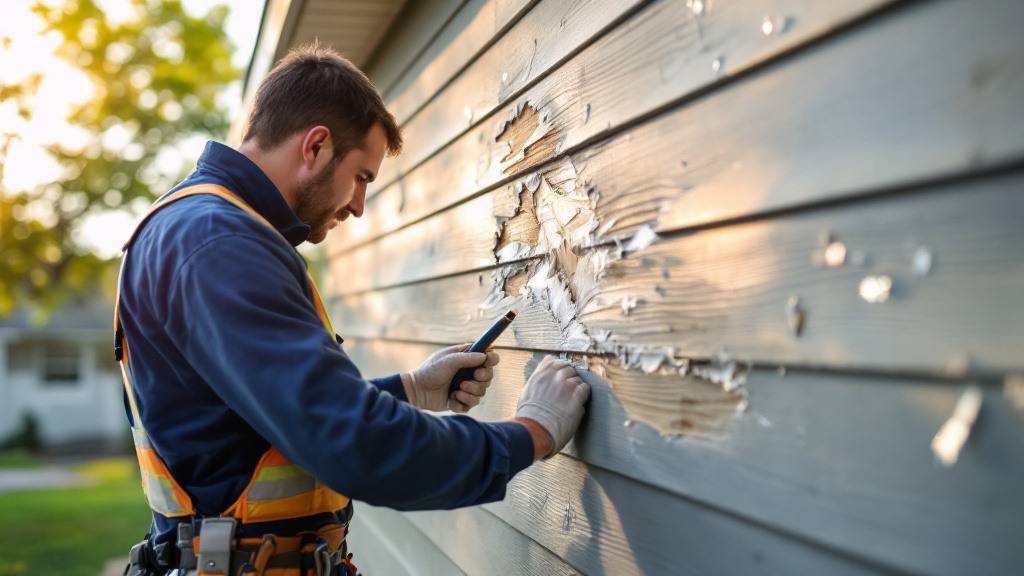
Start by walking your property within 24-48 hours of the storm, before weather or debris removal obscures anything. Look for indentations, cracks, or gouges in your siding—especially on the side of your home facing the direction the storm came from. With vinyl siding, hail creates dents that may seem small individually but add up across the wall. With fiber cement or wood siding, you'll see splits, splintering, or actual missing pieces. Take close-up photos of specific damaged areas, but also take wide shots showing the overall pattern of damage across a wall or section. This context matters because insurance adjusters need to see whether damage is isolated or widespread enough to justify full replacement versus repair.
When photographing, use good lighting and get the camera close enough that the damage is unmistakable. Shadows and distance make small dents nearly invisible in photos, which is why adjusters sometimes reject claims—they literally can't see what the homeowner is describing. Include the date in your photos if possible, and photograph any debris still on the ground or roof that correlates with the storm. Document the hail size if anyone measured it (golf ball, quarter, etc.), because hail diameter directly affects whether damage is considered "normal wear" or legitimate storm damage.
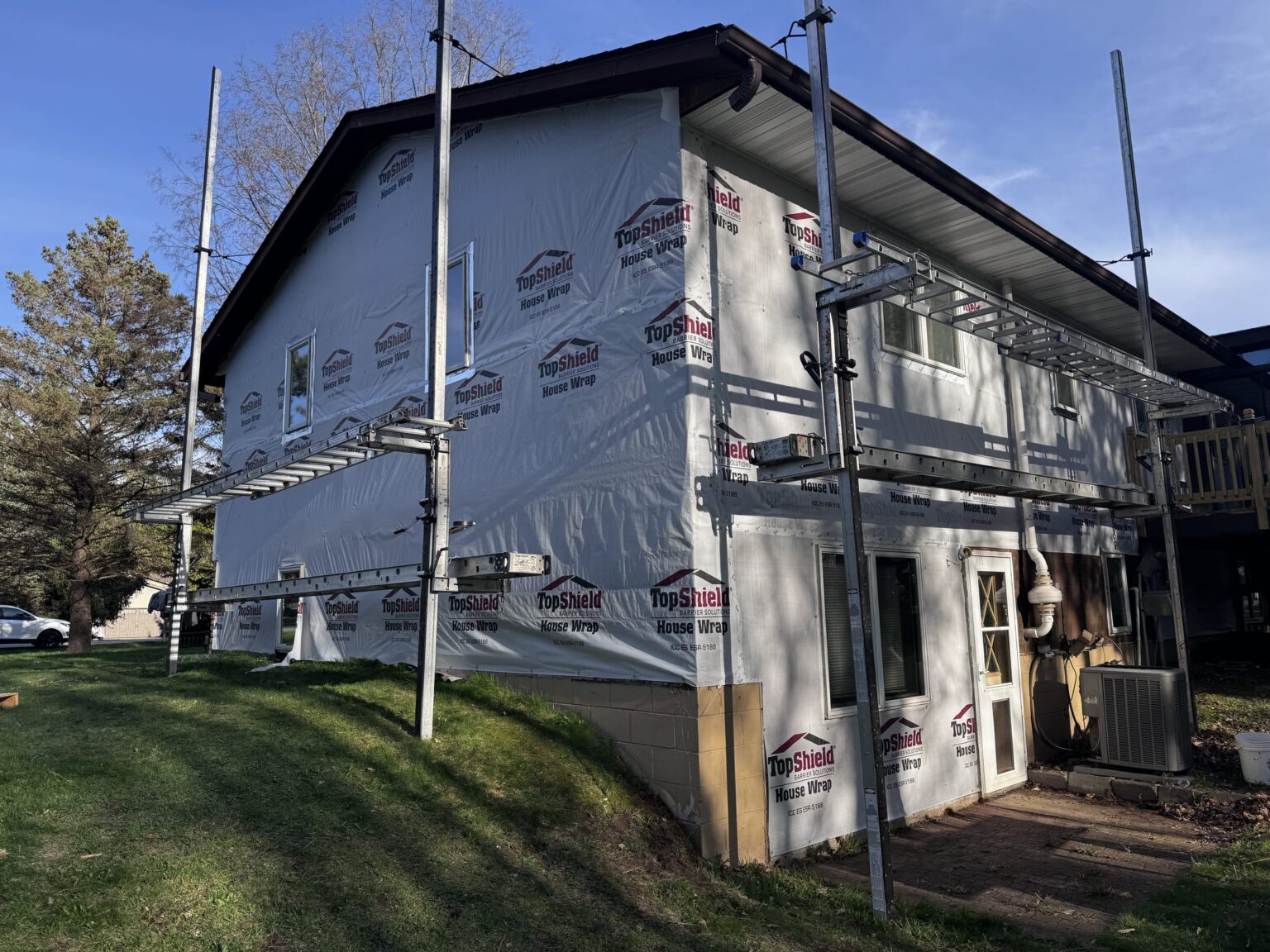
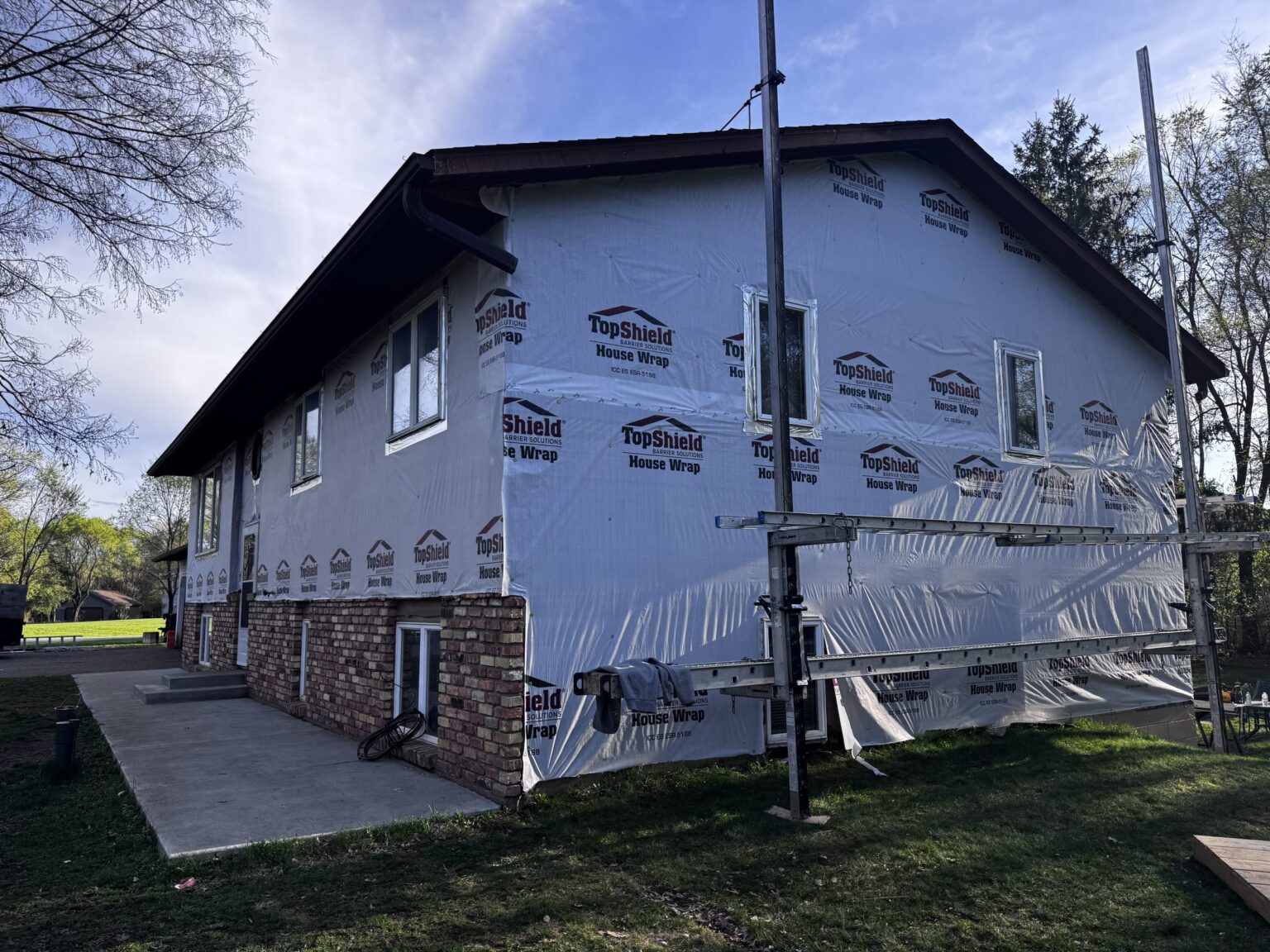
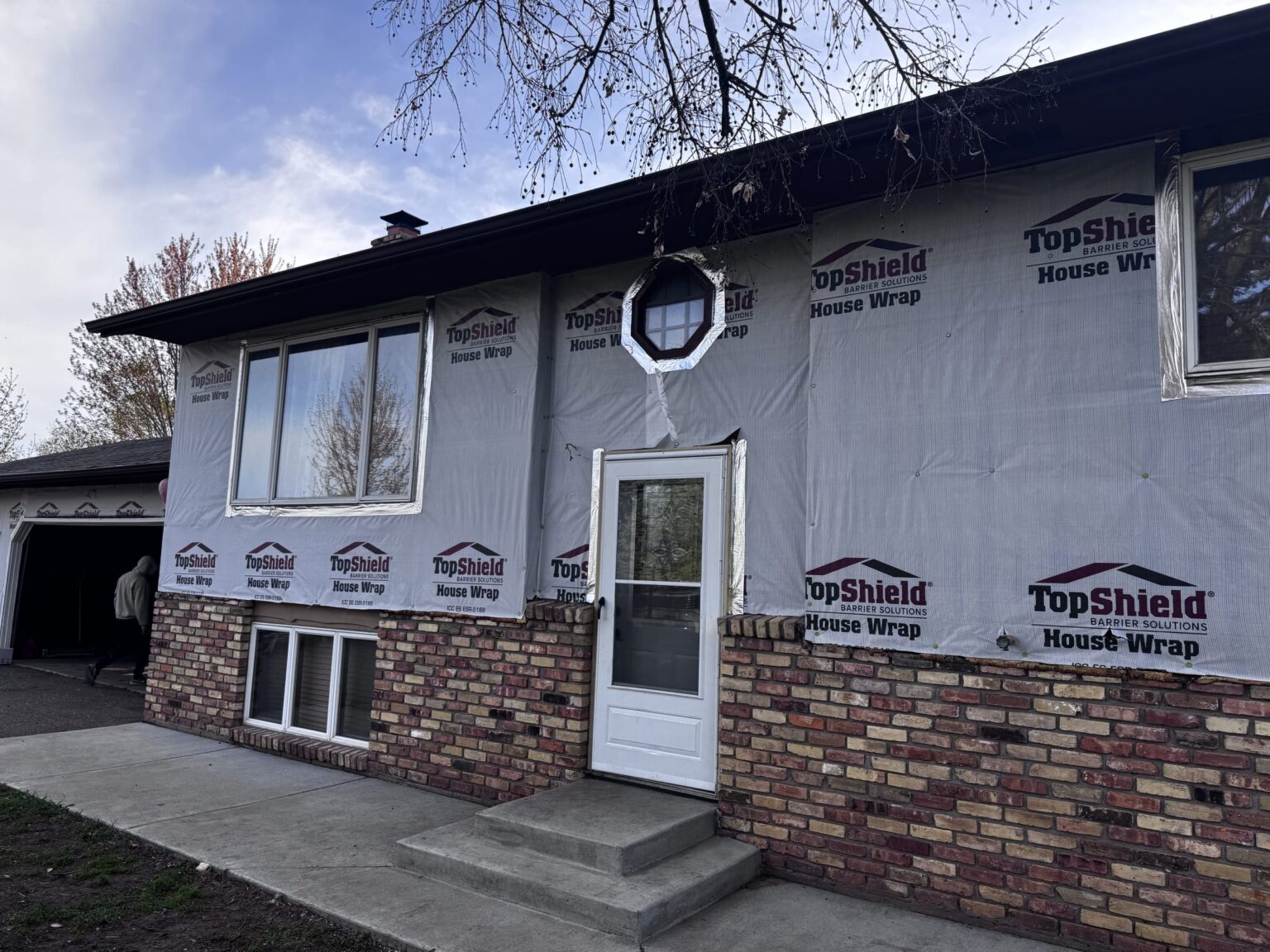
Beyond photos, write down the date and time of the storm, the direction it came from, and any witnesses. Check your gutters, downspouts, and roof edges too—hail damage often shows up there first and helps establish the severity. If you have TopShield house wrap or other protective barriers visible (as shown in recent projects around Ham Lake), photograph how the siding performed—this documentation helps adjusters understand the full picture of your home's condition.
File your claim promptly after you've gathered documentation. Most homeowner policies cover hail damage, but you have limited time to report it—typically 30 to 90 days depending on your policy. When you submit photos and documentation to your insurance company, be specific: "Multiple impact marks consistent with hail, concentrated on north and west-facing walls." Vague descriptions get vague responses. If the adjuster's initial assessment seems low or incomplete, you have the right to request a re-inspection or bring in a contractor's assessment.
If you're uncertain whether what you're seeing is actually hail damage or normal siding wear, that's worth a quick phone call to a local contractor. A professional can spot the difference and, if damage is real, can often provide a damage assessment that strengthens your claim. In the Ham Lake area, summer storms are predictable enough that being proactive about documentation has become just part of homeownership. Don't wait—get those photos taken while the damage is fresh and your memory of the storm timing is clear.